Beginner Raised Bed Gardening: A Simple, Family-Friendly Starter Guide
- thrivingfamilyhome
- Jul 5
- 3 min read
Updated: Jul 9
Beginner Raised Bed Gardening: A Simple, Family-Friendly Starter Guide
Raised bed gardening is one of the easiest ways to grow fresh food at home—especially if you’re new to gardening, short on time, or want a tidy setup that works well for families. In this guide, you’ll learn how to choose a bed, fill it with the right soil, start seeds, water efficiently, and protect your hands—without getting overwhelmed.
Why raised beds are great for beginners
Better drainage and fewer soggy roots
Warmer soil in spring (earlier planting)
Fewer weeds than in-ground beds
Easier on backs and knees (especially with taller beds)
Simple to control soil quality from day one
Step 1: Pick your raised bed (size + material)
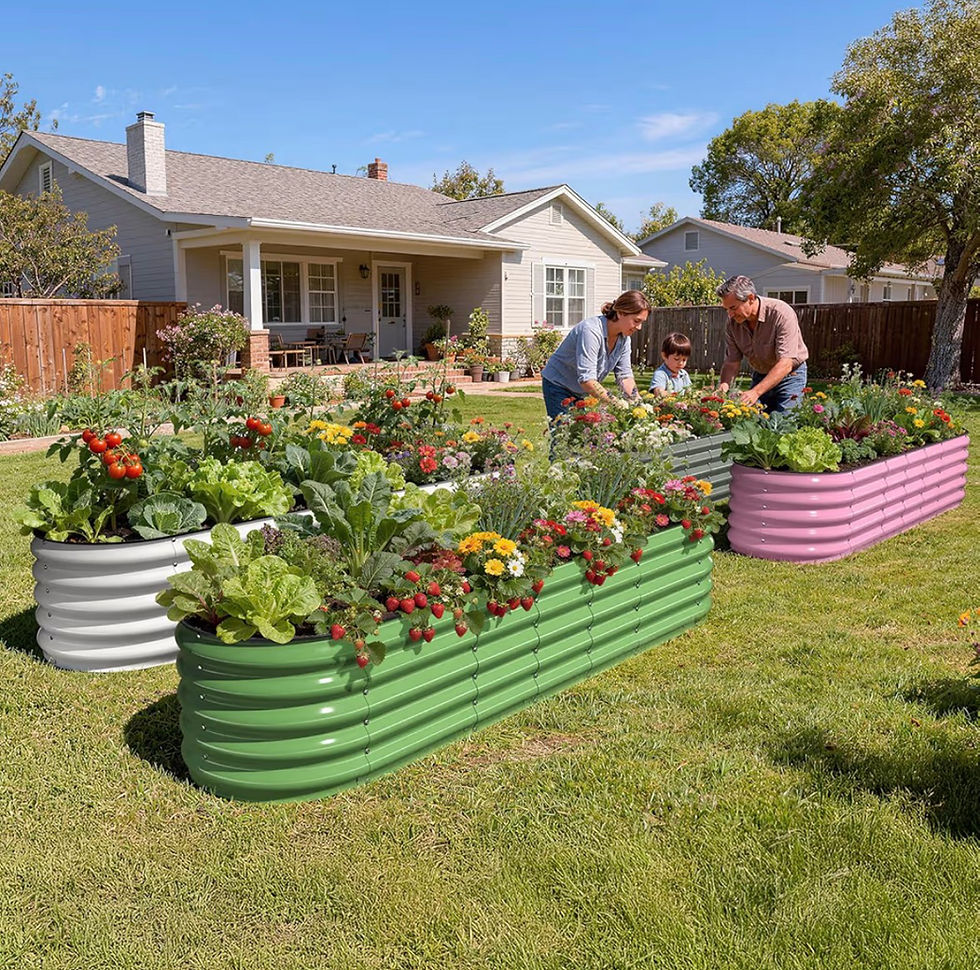
For most beginners, a 4×8 ft bed is a classic choice, but a 4×4 ft bed is perfect if you’re starting small. Aim for a width you can reach across (about 4 ft max) so you don’t have to step into the bed and compact the soil.
Materials to consider: untreated cedar (long-lasting), composite (low maintenance), or metal (durable and sleek).
RAISED BED – https://amzn.to/44Why70
Step 2: Fill it with the right soil mix
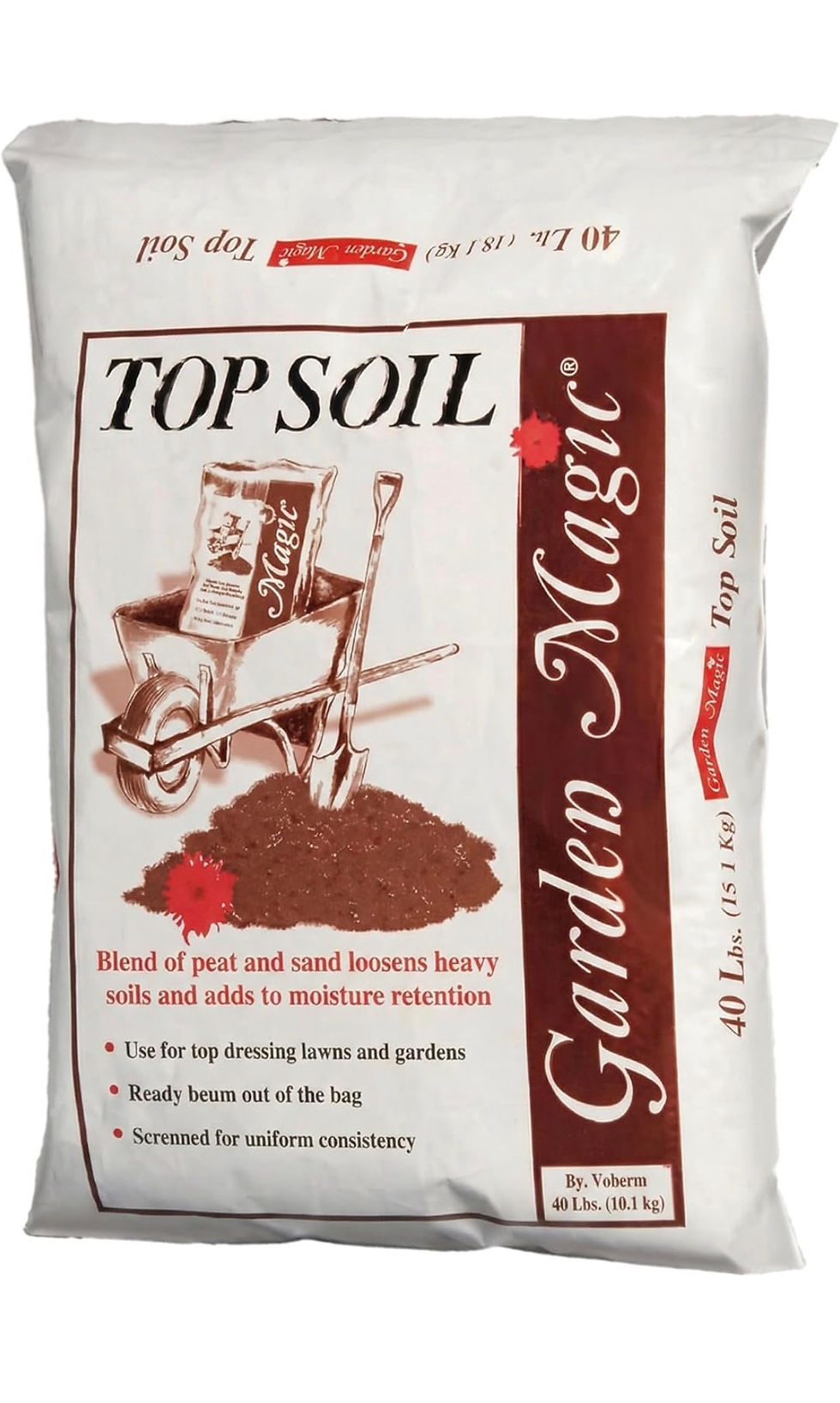
Great soil is the secret to an easy first season. A simple beginner mix is:
50% high-quality raised bed or garden soil
30% compost (for nutrients)
20% aeration (perlite, pumice, or coarse coco coir)
If you want the simplest route, buy a pre-blended raised bed soil and top-dress with compost mid-season.
RAISED BED SOIL - https://amzn.to/44ZtsNm
Step 3: Start seeds (or keep it simple with seedlings)

You can plant seeds directly into the bed, but seed trays make it easier to start strong plants indoors (and it’s a fun family project).
Use a seed-starting mix (lighter than garden soil)
Label everything (future-you will thank you)
Keep trays evenly moist—not soaked
Harden off seedlings outdoors for a few days before transplanting
SEED TRAYS – https://amzn.to/4aKGHVK
Step 4: Water the easy way (consistent beats perfect)

Raised beds can dry out faster than in-ground gardens, especially in summer. The goal is steady moisture. Water deeply so roots grow down, then let the top inch dry slightly before watering again.
A hose with a gentle spray nozzle is great for beds, and a watering can is perfect for seedlings and quick touch-ups.
GARDEN HOSE / NOZZLE – https://amzn.to/4f5mJ9s
Step 5: Protect your hands (and make it kid-friendly)

Good gloves make gardening more comfortable and help prevent blisters, splinters, and irritated skin—especially when you’re assembling beds, hauling soil, or pulling weeds.
GARDENING GLOVES – https://amzn.to/4aKmn6Q
Beginner planting ideas for one raised bed
If you want quick wins, choose a few reliable crops:
Leafy greens: lettuce, spinach, kale
Herbs: basil, parsley, chives
Fast roots: radishes, baby carrots
Summer favorites: cherry tomatoes (add a cage), bush beans, peppers
A simple weekly routine (10 minutes)
Check moisture (finger test) and water as needed
Look under leaves for pests
Harvest often (it encourages more growth)
Add a thin layer of compost or mulch if soil looks bare
Quick checklist: beginner raised bed essentials
Raised bed
Raised bed soil + compost
Hose with gentle nozzle
Seed trays (optional but helpful)
Watering can
Gardening gloves
If you’d like, tell me what size bed you’re starting with and your USDA growing zone, and I’ll suggest a simple planting plan for your first season.


Comments